
What about pollution?
Excitement around connected and autonomous vehicles has been building for years with consumers interested in the convenience of never having to touch the steering wheel and governments anticipating significant improvements in road safety. It’s presumed that these technologies will also have energy efficiency and emissions reductions benefits, but only recently have experts been able to quantify them.
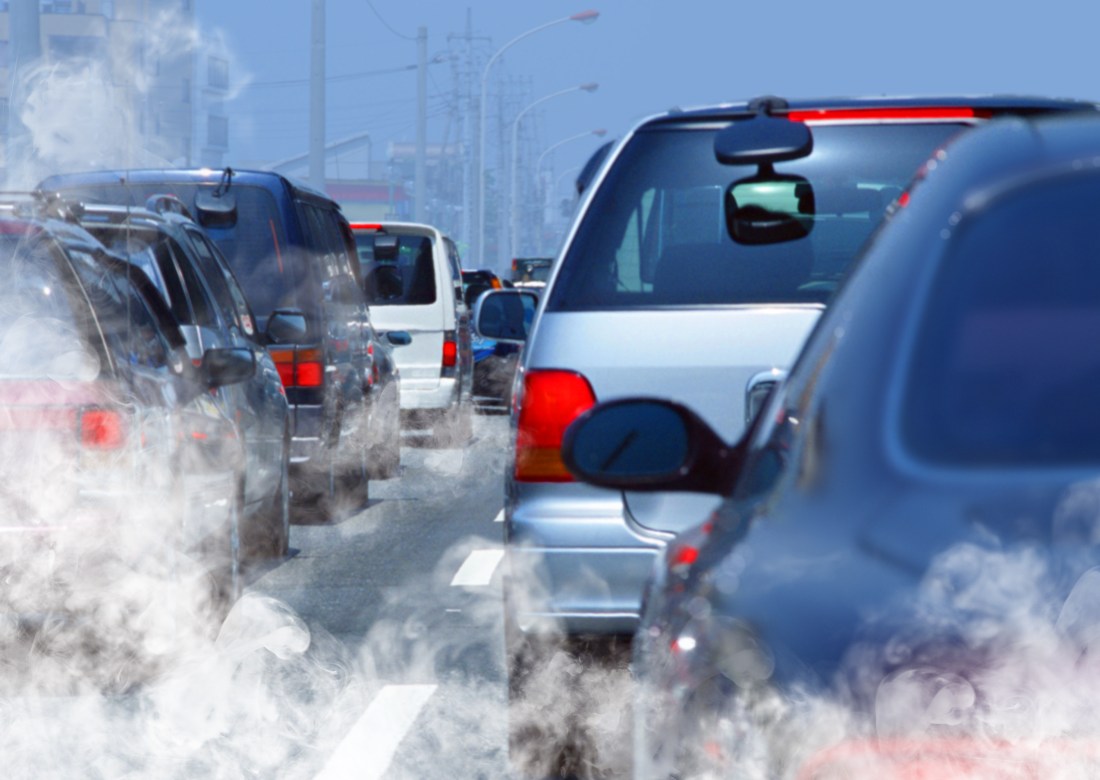
A recent report by the Intelligent Transportation Society of America projects that so-called intelligent transportation systems (ITS) could achieve a 2 to 4 percent reduction in oil consumption and related greenhouse gas emissions each year over the next 10 years as these technologies percolate into the market.
An end to traffic jams?
Researchers are developing new mathematical algorithms that will allow more vehicles and types of infrastructure to seamlessly exchange information and coordinate their actions to eliminate congestion.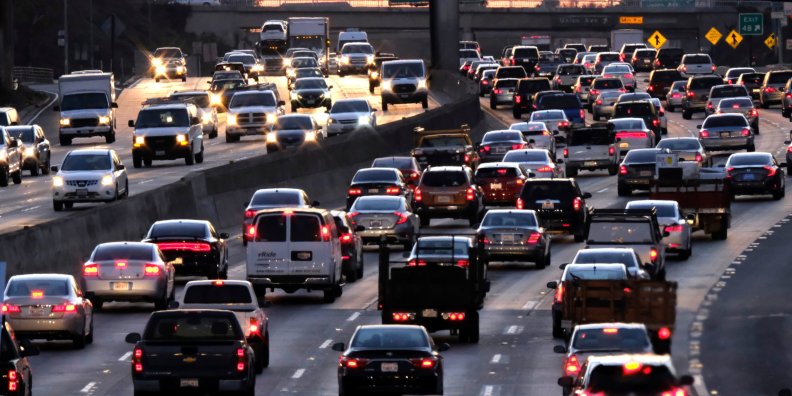
On the one hand, autonomous vehicles could encourage more driving and more emissions because people will opt for personal transport over public transit. Furthermore, if people don’t have to pay attention during their commute and can read the paper or play on their phone instead they might decide to live farther away from their workplace.
Safety benefits appeal to automakers.
According to the Department of Transportation, vehicle-to-vehicle communication has the potential to help unimpaired drivers avoid up to 80 percent of vehicle crashes.
Policymakers are still in the learning phase for some of these things.
 Self Driving Vehicles